Galle Fort
Walk 400 years of history inside Galle Fort. Explore Dutch streets, ocean ramparts, boutique hotels, and Sri Lanka’s most iconic coastal UNESCO site in 2026.
Best Time to Visit
December to April for dry, sunny weather. Sunrise and Sunset for cooler, calming atmosphere.
Location
View on Google MapsGalle Fort, Sri Lanka: Your Complete 2026 Travel Guide
What is the Galle Fort?
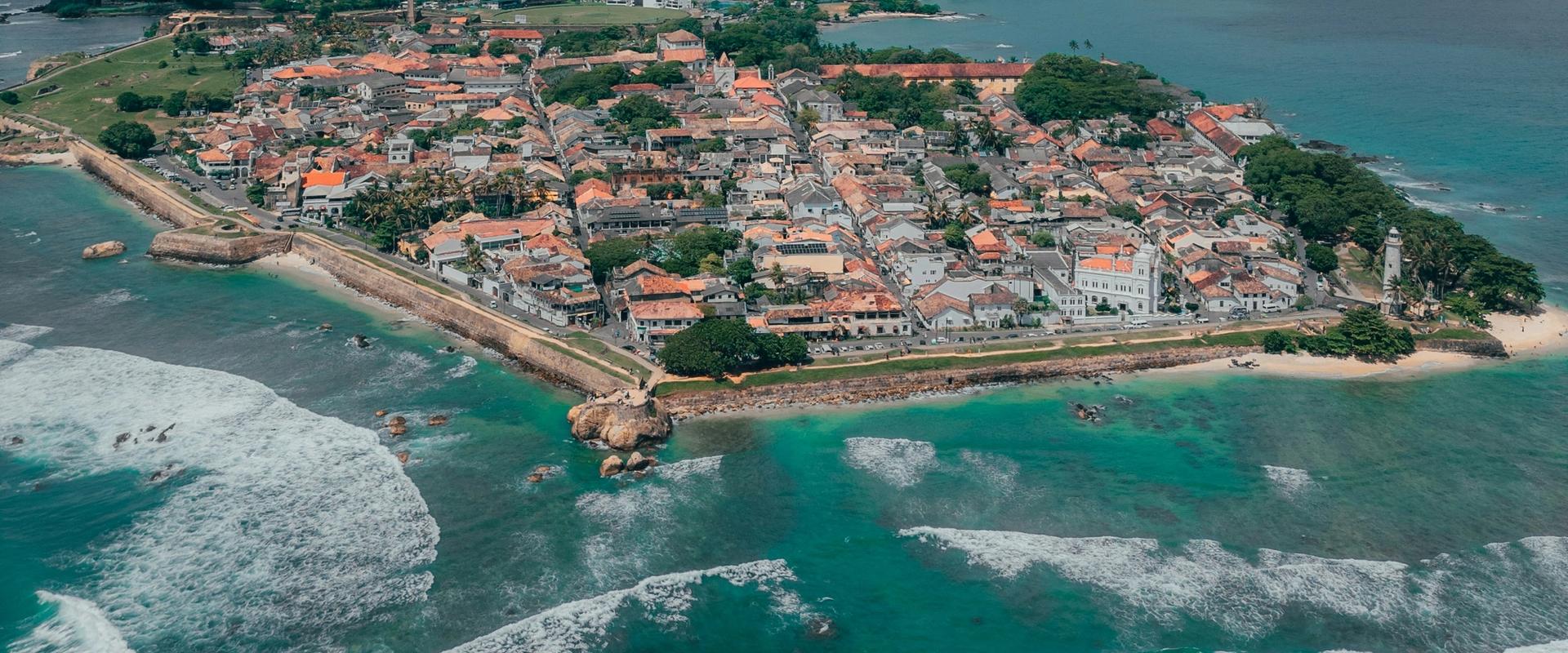
Located on the southern coast of Sri Lanka, The Galle Fort is a historic coastal fortress city (~52 hectares) built in the city of Galle. It was first built by the Portuguese in the 16th century and later expanded by the Dutch.
It surrounds a living town filled with colonial buildings, narrow streets, churches, shops, hotels, and homes. Strong stone walls and ocean-facing ramparts still encircle the entire fort city area, giving you views of the Indian Ocean. It was recognized as a UNESCO World Heritage Site in 1988 for its well-preserved mix of European architecture and South Asian culture.
To this day, the Galle Fort stands as one of Asia’s best-preserved colonial forts. Here’s what you need to know before you go.
How to Get There
You can reach Galle Fort in about two hours from Colombo via the Southern Expressway.
Options:
- •Private car or taxi
- •Intercity bus
- •Scenic coastal train
The train ride offers ocean views most of the way. Sit on the right side heading south for the best views.
Best Time to Visit
Visit between December and April for dry, sunny weather. Expect temperatures around 27 to 32°C. With the constant sea breeze, the temperatures here are much more manageable, but sunset and sunrise times are always a safer bet.
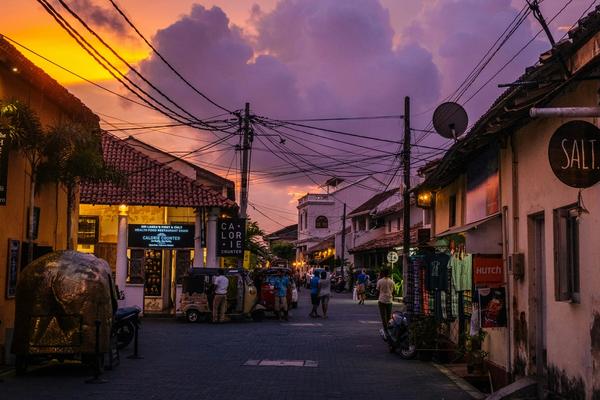
In our opinion, this is one of the best places to be during sunset hours in all of Sri Lanka.
May to September brings some rain, but fewer crowds. October and November see heavier monsoon showers.
If you prefer quieter streets and better hotel rates, travel in the shoulder months.
Travel Tips for Galle Fort
Plan Smart
Arrive early in the morning. Cruise visitors and tour buses show up late morning. You’ll enjoy empty streets before 9 am. Or come near sunset time for cooler weather and stunning sunset views.
Dress Light
The sun feels strong. Wear breathable clothes. Bring a hat. Carry water.
Respect the Community
People live here. Keep noise down at night. Ask before photographing residents.
Stay Overnight
Day trips feel rushed. Stay one night. You’ll see sunset and sunrise. The fort feels completely different after dark.
Budget Expectations
Entrance to the fort costs nothing. You pay for museums and attractions separately. Food and accommodation inside the fort cost more than in other parts of Sri Lanka.
What You’ll See Inside the Fort
The Ramparts
Start here. Walk the full loop along the walls. It takes about 1 hour without stopping, but we suggest you stop, enjoy the views and the beaches along the way.
Stand at Flag Rock Bastion. Watch fishermen below. Move toward the lighthouse and feel the sea breeze hit your face. Climb down to the beaches where it's safe to do so (ask locals). Come back at sunset. Locals gather here every evening.
The views alone justify the trip.
Galle Lighthouse
The white lighthouse near the southeastern edge marks one of the most photographed spots in Sri Lanka. The British built the original in 1848. A fire destroyed it in 1934. They rebuilt the current structure in 1939. It still functions today.
Dutch Reformed Church
Built in 1755, this church holds tombstones set into the floor. Dutch governors and merchants lie beneath your feet. The interior stays simple. Wooden pews. High ceilings. Quiet atmosphere.
Maritime Archaeology Museum
Sri Lanka sits on ancient trade routes. Shipwrecks surround its coast. This small museum shows artifacts recovered from underwater excavations, including cannons and ceramics. It gives you context for why Galle mattered so much to European powers.
Streets Worth Walking
You don’t need a strict plan inside the fort. Wander:
- •Church Street
- •Pedlar Street
- •Lighthouse Street
You’ll find art galleries, boutique hotels, spice shops, bookstores, and cafes. Many buildings date back to the 17th and 18th centuries. Thick walls keep interiors cool even during hot afternoons.
Food, Cafés, and Where to Stay
Where to Eat
Galle Fort blends Sri Lankan and European flavors. You can eat rice and curry for lunch and seafood pasta for dinner without leaving the walls.
Local specialties to try:
- •Fresh tuna steak
- •Crab curry
- •Hoppers with sambol
- •Ceylon tea desserts
Boutique Hotels
You won’t find high-rise resorts inside the fort. Strict conservation rules limit development. Instead, you’ll stay in restored mansions and colonial villas.
Many hotels feature:
- •Courtyard pools
- •Antique furniture
- •Dutch-style verandas
- •Personalized service
Book early for peak season, which runs from December to April.
Interesting Facts You Probably Didn’t Know
- •The fort covers about 52 hectares/130-acres.
- •The wall stretches nearly 3 kilometers around the peninsula.
- •The layout follows a Dutch military grid system.
- •Locals still use original drainage systems built in the 1600s.
- •The fort hosts the annual Galle Literary Festival, one of South Asia’s leading literary events.
The History of Galle Fort
From Portuguese Outpost to Dutch Stronghold
The Portuguese built the first fort here in 1588. They needed a base to control the spice trade and defend their ships along the busy Indian Ocean route.
In 1640, the Dutch seized control. They rebuilt the fort using coral stone and granite. They expanded the walls, added bastions, and created a planned grid layout that you still walk today. The Dutch shaped most of what you see now.
The British took over in 1796 but made few structural changes. They used it as an administrative center until Sri Lanka gained independence in 1948.
You don’t walk through ruins here. You walk through a living town. Families still live inside the fort. Shops operate in restored colonial homes. Churches and mosques remain active.
FAQ About Galle Fort
1. How long do you need in Galle Fort?
Spend at least 4 to 6 hours. Stay overnight for the full experience.
2. Is Galle Fort free to enter?
Yes. You walk in freely. Museums and specific sites charge small fees.
3. Can you swim near Galle Fort?
Swimming near the fort walls isn’t safe due to currents. Head to nearby beaches like Unawatuna.
4. Do people still live inside Galle Fort?
Yes. It’s a living community with homes, schools, shops, and places of worship.
5. Is Galle Fort worth visiting in 2026?
Yes. Infrastructure improved, preservation remains strong, and visitor facilities continue to expand.
Top Sources
Ready to Explore More of Sri Lanka?
Discover more incredible destinations and plan your perfect trip