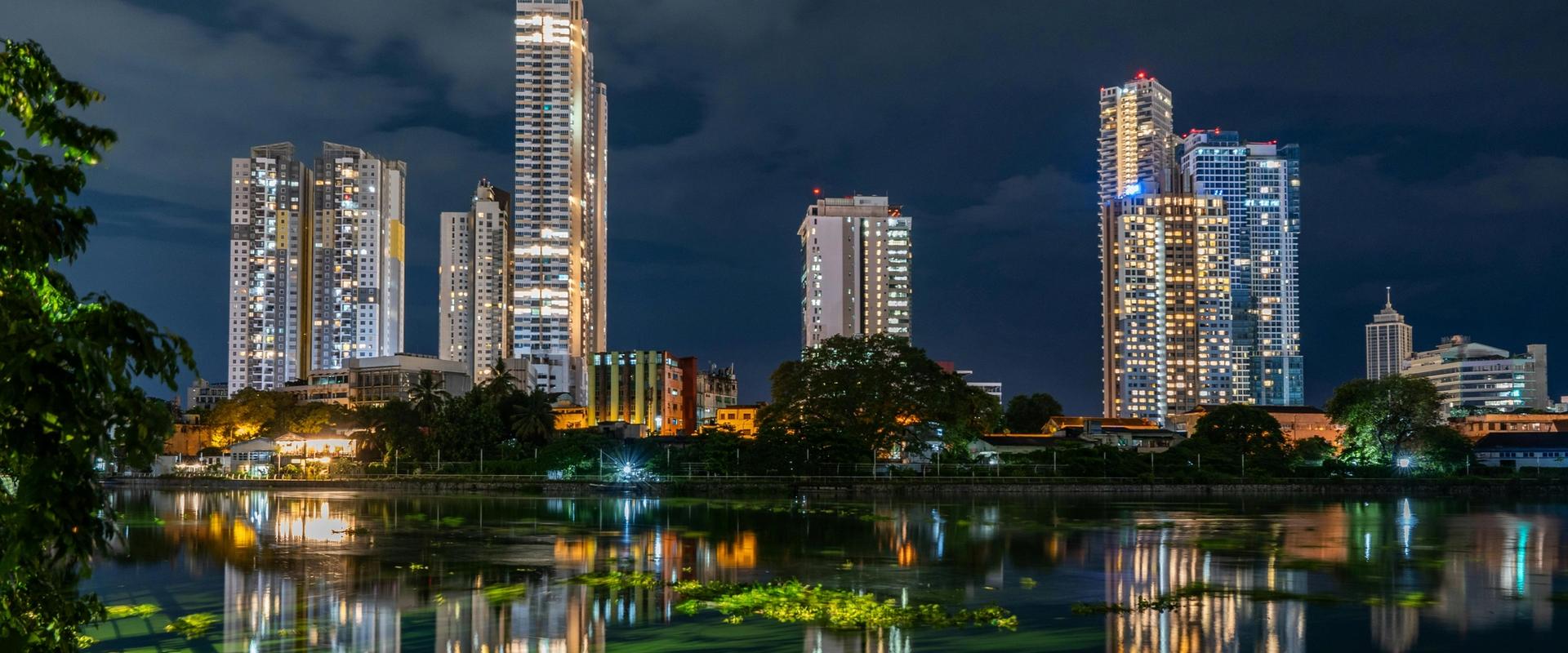
Colombo
Colombo blends ocean sunsets, colonial history, street markets, and rising skyscrapers. Stay longer than you planned. You’ll see Sri Lanka’s past and future in one city.
Best Time to Visit
Colombo is a city that is warm all year round. December to April offers less rain.
Location
View on Google MapsPhoto Gallery
Colombo, Sri Lanka: A Practical Guide for 2026
Colombo moves fast. Tuk tuks weave through traffic. The ocean crashes along the Galle Face promenade. Glass towers rise next to colonial buildings. You feel the mix right away.
If you plan to visit Sri Lanka in 2026, you will likely land in Colombo first. Many travelers rush south to the beaches or north to the Cultural Triangle. That’s a mistake. Stay at least two nights. Colombo rewards people who slow down.
Here’s what you need to know before you go.
What’s Special About Colombo?
Most tourists who travel to Sri Lanka land at the Colombo Bandaranaike International Airport (CMB) first. And if you are looking for the city vibe in Sri Lanka, this is easily the best place to be. Colombo offers a variety of 5-Star hotels, high-end malls, luxury restaurants and bars, lively nightclubs and casinos–still all at very reasonable prices. If you are looking for the even more budget friendly options, mid-tier hotels and airbnbs are also very easy to find. Getting around Colombo is also much easier than other cities, with apps like Uber and PickMe widely used, along with local tuk-tuks, as well as local buses and trains.
Colombo is Sri Lanka’s commercial capital. It drives the country’s banking, shipping, tech, and tourism sectors. While Sri Jayawardenepura Kotte serves as the official administrative capital, Colombo runs the economy.
But Colombo still feels local. You see morning fish markets. You hear mosque calls to prayer in Pettah. You watch families fly kites at sunset. It hasn’t turned into a sterile business hub. That balance certainly makes it interesting.
Best Areas to Explore
Colombo divides into numbered districts. Some feel chaotic. Others feel polished.
Fort and Colombo 1
Start in Fort. This area once housed colonial administrators. Today you find banks, government offices, and heritage buildings.
Visit the Old Dutch Hospital complex. It now hosts cafes and boutiques. Walk toward the Presidential Secretariat and the old Parliament building. You see British neoclassical design along the waterfront.
Then step toward Colombo Port City. This massive reclamation project adds new public spaces and business zones. You can walk along parts of it and see how Colombo plans to position itself as a financial hub in South Asia.
Pettah
Next, walk into Pettah. The energy changes instantly. Vendors sell spices, electronics, saris, and street food. Buses honk. Shoppers bargain hard.
Visit the Red Mosque, also known as Jami Ul-Alfar Mosque. Its red and white candy-striped exterior makes it one of the most photographed buildings in the city.
You won’t find polished sidewalks here. You will find real Colombo.
Galle Face and Colombo 3
Head to Galle Face Green in the late afternoon. Families picnic. Kids play cricket. Vendors sell Isso Vade–fried lentil patties topped with prawns.
And yes, the Galle Face is a beachfront in Colombo, not to be confused with Galle, the city in the southern coast.
Stand there at sunset. The Indian Ocean turns orange. Office workers loosen ties. Couples sit quietly facing the waves.
Nearby, you’ll find major hotels like the historic Galle Face Hotel and newer high rises. Colombo 3, also called Kollupitiya, offers shopping malls like Galle Face One, Crescat Boulevard and Marino Mall.
Cinnamon Gardens
Colombo 7, or Cinnamon Gardens, feels leafy and calm. Embassies line wide roads. You can visit the National Museum of Colombo to understand the island’s deeper history.
The museum houses royal regalia, ancient artifacts, and colonial era displays. It gives context before you head to places like Kandy or Anuradhapura later in your trip.
Other Attractions
The Lotus Tower is the tallest building and structure in Sri Lanka. The view from the top covers a lot of Colombo and is worth the visit. The Independence Square is a memorial marking Sri Lanka’s independence from the British Empire. The square is a large green area with a calm vibe, good for walking, jogging and getting away from the hustle and bustle of the city.
Food: What You Should Eat
You get high end tasting menus, modern cafes, and traditional rice and curry in the same neighborhood.
Street Food
Start simple. Try Kottu Roti (our favourite) from a busy roadside stall. Cooks chop flatbread with vegetables, egg, and meat on a hot griddle. The metallic rhythm fills the street.
Eat hoppers for breakfast. These bowl shaped thin pancakes, also known as Appam, come with or without an egg in the center. Locals pair them with spicy sambol.
Vade is another local favourite street food that you have to try. Isso Vade, Dhal Vade, Ulundu Vade–this one comes in many favours, try them all!
Local Restaurants
Visit the Ministry of Crab in the Old Dutch Hospital complex. It ranks consistently among Asia’s top seafood restaurants. They serve lagoon crab in multiple sizes and styles. It costs more than street food, but you taste the quality.
For modern Sri Lankan cuisine, try a spot in Colombo 5 or 7. Order a rice and curry set. You get multiple vegetable dishes, dhal, fish or chicken curry, sambols, and papadum. It feels overwhelming. That’s the point.
Also try the Sri Lankan version of Chinese Fried Rice. This fusion dish is quite unique to this part of the world and comes in many different flavors like seafood, chicken, beef, pork.
Culture, Religion, and Everyday Life
Colombo blends Buddhism, Hinduism, Islam, and Christianity. You hear temple bells and mosque calls within minutes of each other.
Visit Gangaramaya Temple near Beira Lake. It mixes Sri Lankan, Thai, Indian, and Chinese architectural styles. The temple museum displays gifts from around the world. You see everything from vintage cars to religious statues.
Walk around Beira Lake in the morning. Office workers jog. Monks walk in saffron robes. The Seema Malaka meditation hall sits on the water, offering a quiet break from traffic.
You don’t need to dress formally, but you must dress respectfully at religious sites. Cover shoulders and knees. Remove your shoes before entering temples.
Practical Travel Tips for 2026
Visas and Entry
Most travelers apply for an Electronic Travel Authorization before arrival. Check the official Sri Lanka Immigration site for the latest fee structure and approved nationalities.
Bandaranaike International Airport sits about 35 kilometers north of the city. A taxi to central Colombo takes 45 minutes to 1 hour depending on traffic.
Money and Costs
The Sri Lankan Rupee stabilized after the 2022 crisis, but exchange rates still fluctuate. Use ATMs in major areas. Credit cards work in hotels and upscale restaurants. Carry cash in Pettah and small shops.
Colombo remains affordable compared to many Asian capitals. You can eat well for under 10 to 15 USD at local spots. High end dining and luxury hotels cost more but still undercut cities like Singapore or Dubai.
Safety
Security presence increased after 2019. Use common sense. Avoid isolated areas late at night. Keep your phone secure in crowded markets.
Best Time to Visit
Colombo stays warm year round. The southwest monsoon brings heavier rains from May to September. December to April offers drier weather and more predictable beach sunsets.
Humidity runs high. Dress light. Stay hydrated.
Modern Colombo: Business and Infrastructure
Colombo’s skyline has changed over the years. IT parks have expanded. Co-working spaces have multiplied. Sri Lanka’s tech sector grew in 2024 and 2025, driven by software exports and startups.
The Colombo International Financial City, part of Port City, aims to attract foreign investment with special regulatory frameworks. Development continues in 2026, with commercial plots and infrastructure taking shape.
Public transport still relies heavily on buses and trains. Traffic remains intense during peak hours. Ride hailing apps like PickMe and Uber operate widely and help you move faster.
Internet speeds in central Colombo support remote work. Many digital nomads now use Colombo as a short term base before heading south to beach towns.
A Short History You Should Know
Colombo’s story spans over 2,000 years. Arab traders used the port long before Europeans arrived. Then came the colonial powers.
Portuguese Era
The Portuguese arrived in 1505. They fortified the port and used it to control trade routes in the Indian Ocean. You can still trace some of their influence in street layouts and Catholic churches.
Dutch Period
In 1656, the Dutch pushed out the Portuguese. They built canals, administrative buildings, and warehouses. Walk through Fort and you still see Dutch-era structures.
British Rule
The British took control in 1796. They developed Colombo as the island’s main administrative and commercial center. They built railways, schools, and civic buildings. Landmarks like the Old Parliament building reflect that era.
After independence in 1948, Colombo remained the financial heart of Sri Lanka. It endured civil war years. It survived the 2019 Easter attacks. It faced a severe economic crisis in 2022. Today, in 2026, the city feels steady again. Businesses operate. Tourism grows. Construction continues.
FAQ
Is Colombo worth visiting or should you skip it?
Yes, stay at least two nights. You understand Sri Lanka better when you see its commercial heart before heading to beaches or heritage sites.
How many days do you need in Colombo?
Two to three days works well. That gives you time for Fort, Pettah, museums, food, and one relaxed evening at Galle Face.
Is Colombo expensive in 2026?
No. It costs more than smaller Sri Lankan towns but remains affordable compared to most global cities.
Can you drink tap water in Colombo?
No. Drink bottled or filtered water. Most hotels provide safe options.
Is Colombo good for digital nomads?
Yes. Internet speeds, cafes, and short term rentals support remote work. Many nomads use it as a base before heading south.
Do you need a guide in Colombo?
Not usually. You can explore independently. Hire a guide if you want deeper historical context.
Top Sources
Ready to Explore More of Sri Lanka?
Discover more incredible destinations and plan your perfect trip